

Toronto Substance Use & Addiction Therapy Clinic
Looking for substance use treatment?
If you or a loved one are navigating the complexities of substance use, finding the right support is a crucial first step. We invite you to complete our clinician matching form below. This allows us to understand your specific needs and recommend the optimal psychologist or psychotherapist from our team. Alternatively, please continue reading to learn more about how problematic substance use develops, the nature of addiction, and our integrated, evidence-based approach to recovery.
What Are Substance Use Issues?
It’s important to clarify that substance use exists on a broad spectrum. Engaging in casual or recreational use is fundamentally distinct from problematic misuse or a formal, clinical diagnosis of a Substance Use Disorder (SUD).
For many individuals, substance use transitions from a social habit into a primary coping mechanism. When the consumption of alcohol, prescription medication, or recreational drugs begins to cause significant psychological distress, physical health complications, or functional impairment in daily life, it moves into the realm of a substance use issue. Recognizing that your relationship with a substance has become disruptive is often the catalyst for seeking professional therapeutic support.

What Are Substance Use Disorders?
SUDs are a category of psychiatric diagnoses characterized by an inability to control or cease substance consumption despite experiencing clear, negative consequences. Clinical diagnoses evaluate symptoms across four primary behavioural clusters:
-
Experiencing intense, intrusive cravings; spending a disproportionate amount of time obtaining, using, or recovering from the substance; and repeatedly failing in attempts to cut down or regulate use.
-
Facing persistent conflicts within families, romantic relationships, or friendships; neglecting major responsibilities at work, school, or home due to ongoing substance use.
-
Consistently using substances in physically hazardous situations (such as driving) or continuing to use despite knowing it’s actively worsening a physical or psychological health condition.
-
Developing a physiological tolerance—meaning progressively larger amounts of the substance are required to achieve the original effect—or enduring acute, painful withdrawal symptoms when the substance is reduced or eliminated.
How Do We Treat Substance Use And Concurrent Mental Health Issues?
Effective addiction treatment cannot rely on a one-size-fits-all model. At WG Psychology, we specialize in treating both the substance use itself and any concurrent disorders. Approximately half of all individuals meeting the criteria for an SUD also navigate co-occurring mental health conditions, such as clinical depression, trauma, or anxiety disorders. True recovery requires addressing these intertwined issues simultaneously.
In general, our approach to psychotherapy for substance use will involve:
Identifying a client’s vision for what a meaningful life involves, and whether that meaningful life involves substances. Some clients will choose to pursue total abstinence while others may work towards moderated use through harm reduction strategies.
Encouraging a consultation with a medical doctor / addiction medicine specialist to discuss potential medications to navigate recovery and possibly supervise detoxification. Medical supervision can be particularly important when withdrawing from substances like alcohol and opiates.
Tracking substance use and moods to understand relevant triggers and consequences of use, which will help generate an understanding of the role that substances play in the client’s life.
Enhancing motivation to make and maintain changes to substance use patterns by focusing on long-term goals.
Practicing mindfulness to increase contact with the present moment and acceptance of discomfort.
Developing strategies to manage acute distress and tolerate urges to use (when choosing to minimize or avoid using).
Learning communication strategies to improve meaningful relationships and to discuss using / not using with others.
Reframing unhelpful thinking patterns related to the SUD and concurrent mental health issues.
Potentially incorporating strategic rewards to increase likelihood of adhering to commitments.
What Services Do We Offer?
Because we view addiction through a holistic psychological lens, our clinicians are fully equipped to treat the underlying mental health vulnerabilities that often fuel problematic substance use. We regularly provide integrated care for clients experiencing:
Anxiety (e.g., panic attacks, social anxiety, generalized anxiety and worry, phobias, health anxiety)
Life transitions and relationship issues

Seeking Substance Use Treatment In Toronto?
Overcoming problematic substance use is rarely a simple matter of willpower; it requires fundamentally rewiring how you interact with your thoughts, emotions, and environment. When a substance is removed, it often leaves a profound emotional void that was previously filled by chemical numbing. Specialized psychological therapy provides the essential scaffolding needed to navigate this transition safely. By exploring the root causes of your consumption patterns with a trained clinician, you don’t just stop a behavior—you build a resilient psychological toolkit. This deep, introspective work ensures you can sustain long-term recovery, reclaim your personal autonomy, and foster genuine well-being.
WG Psychology is a mental health clinic dedicated to providing compassionate, evidence-based assessment and psychotherapy services for adults. We offer addiction therapy in Toronto for adults aged 18-65 struggling with substance use and its consequences. We understand how isolating addiction can feel, and our mission is to provide a non-judgmental, therapeutic sanctuary where you can heal.
Our clinic’s approach to therapy for addiction pulls from numerous psychotherapy orientations, including Cognitive-Behavioural Therapy (CBT), Dialectical Behaviour Therapy (DBT), Acceptance and Commitment Therapy (ACT), and Motivational Interviewing (MI). We offer flexible care options to fit your lifestyle and comfort level. You can meet with our skilled clinicians in person at our welcoming, modern office in downtown Toronto, or access seamless, secure virtual therapy sessions from anywhere within the province of Ontario. Connect with us to learn more!
Toronto Substance Use Treatment Team
-
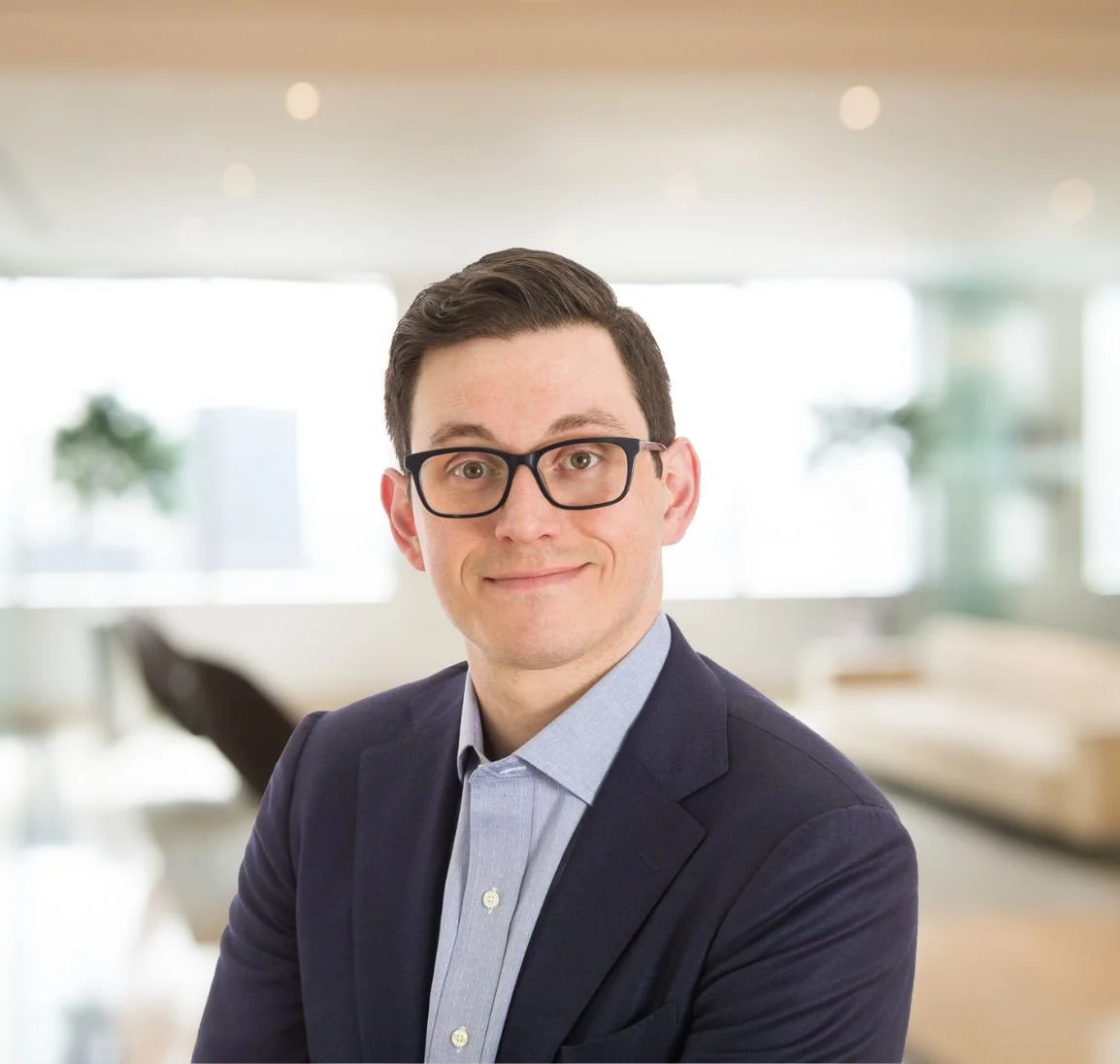
Dr. James Watson-Gaze, Ph.D., C.Psych
Clinical Psychologist & Clinic Director
-

Dr. Justin Dubé, Ph.D., C.Psych
Clinical Psychologist
-

Dr. Joseph Rootman, Ph.D., C.Psych
Clinical Psychologist
-

Nicole Lacy, MSEd, RP
Registered Psychotherapist
-

Imran Juma, MSc.OT, OT Reg.
Occupational Therapist
-

Christina Stecyk, M.A., RP
Registered Psychotherapist